Guests in a holiday rental are in a house they have never seen before. They don’t know which door sticks, where the side gate leads or what that beeping in the hallway means. They are relaxed, they are cooking in a kitchen that is new to them, and they have only just walked in.
That is what makes fire safety in a short-term rental different from fire safety in your own home. The house has to explain itself.
Start with the rules
NSW has rules for short-term rental accommodation, and fire safety is part of them. They can change, and this post does not set them out. The NSW Government website is the authority, and it is the place to check what applies to your property before you take a booking.
If the rental is in a strata building, the owners corporation and its by-laws come into it as well.
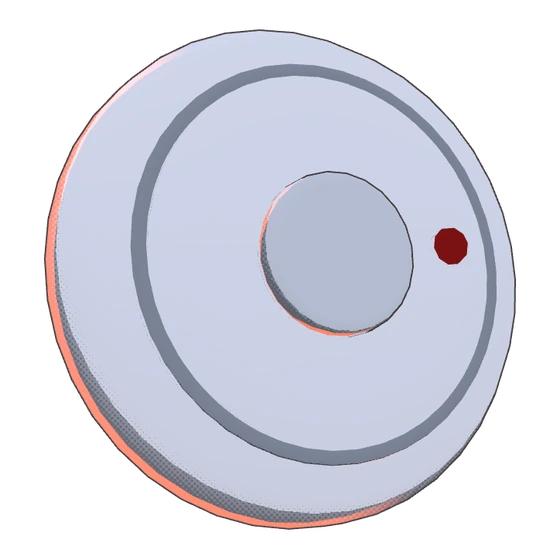
Smoke alarms
Working smoke alarms matter more than anything else on this list.
- Test them regularly, and make it part of the changeover routine if you can.
- Replace any that are old, yellowed, damaged or chirping.
- Check that a guest has not pulled out a battery or covered an alarm near the kitchen.
- Tell guests what the alarm sounds like and ask them not to disable it.
Which type of alarm is needed, and where, is one of the things the rules cover.
Ways out
Walk the house the way a stranger would, and do it at night.
- Every exit door should open from the inside without a hunt for the key.
- Keys for deadlocks and security screens should be kept where guests can find them.
- Paths to the doors should be clear of spare furniture, surfboards and the portacot.
- Outside, gates should open and paths should have some light.
- For upstairs bedrooms and granny flats, think about how a guest would get out from there.
Equipment guests can find
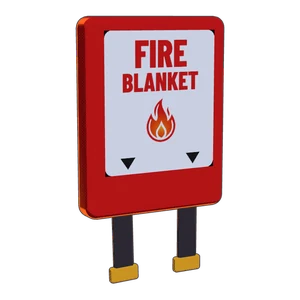
A fire blanket and an extinguisher in the kitchen are among the things the NSW short-term rental rules cover, so check what applies to your property. They only help if guests can see them. Mount them on the wall in plain sight, near the way out of the kitchen, not in the cupboard under the sink. Have them checked, and replace them when they need it.
The usual suspects
The risks in a holiday house are ordinary ones:
- cooking left unattended
- a barbecue too close to the house, or one with a tired hose and regulator
- towels or clothes drying on a heater
- fire pits, candles and outdoor heaters
- power boards loaded up with chargers
- e-bikes and scooters charging in the hallway
Some of these you can remove. Others you can maintain. Have gas barbecues and heaters looked at, replace worn leads and power boards, and keep the rangehood filter and the dryer lint filter clean.
Tell guests what they need to know
Keep it short. One page in the welcome folder and another on the fridge is plenty:
- the street address, so they can give it to emergency services
- where the exits are
- where the fire blanket and the extinguisher are
- what the smoke alarm sounds like
- where to meet outside
- that in an emergency they should get out and call Triple Zero (000)
Bush and beach
Many Coast holiday houses sit close to bushland. Visitors may not know what a fire danger rating is or where to find warnings. A line in the guest information pointing to the NSW Rural Fire Service is a small thing that could matter on a bad day.
Owners of short-term rentals from the Central Coast to Newcastle can ask V&H Fire Group about smoke alarms, fire blankets and extinguishers for a holiday property. Byron’s number is 0483 371 134.
This article is general information, not advice for your building. For what applies to your premises, talk to us on site.