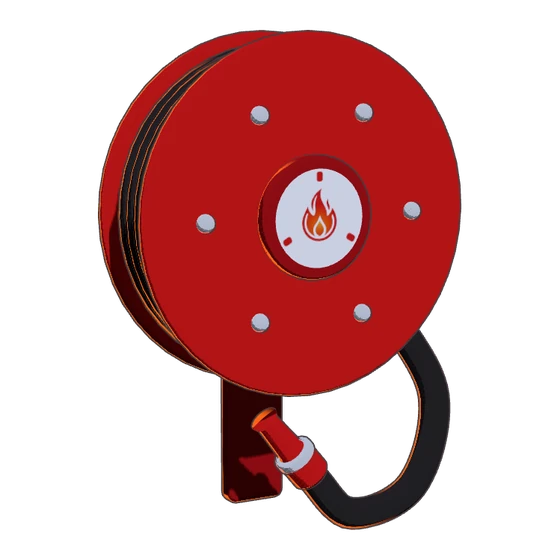
Fire equipment spends nearly all of its life doing nothing. In that time pressure drops, batteries fade, hoses perish, seals dry out and stock gets stacked in front of things. Maintenance is the regular visit that is there to find those faults early.
If your building has extinguishers, hose reels, fire blankets, exit signs or emergency lights, somebody needs to look after them. Who that is depends on the building and the lease. It might be the owner, the strata committee, the property manager or the business in the space. We service sites from the Central Coast up to Newcastle.
What’s included
- Inspection. We check that each item is in its place, undamaged, easy to get to and clearly signed.
- Testing. We test each item in the way its type calls for and record whether it passed.
- Servicing. We carry out the routine service each item is due for on that visit.
- Tagging. Every item has its service tag marked so anyone can see when it was last looked at.
- Repairs, recharges and replacements. Anything that fails is repaired, recharged or replaced once you have approved the cost.
- Reminders. We keep track of your schedule and contact you before the next visit is due.
- Written report. After every visit you get a clear report of what was checked, what passed and what needs attention.
How it works
- Call or message. Tell us where the site is and roughly what equipment it has. If you have old service reports, send them through.
- First visit. We walk the whole site, list every item and where it lives, then inspect, test and service what is due.
- Repairs. Small fixes are done on the spot where we can. Anything bigger is quoted first, then booked.
- Report and reminder. You receive the written report, and the site goes on our schedule so you hear from us ahead of the next visit.
What you get in writing
The report is the part you keep. It lists each item by location, says what we did to it and gives a plain result: passed, fixed on the day or needs attention. Where something needs attention, the report says what is wrong, what we recommend and how soon we think it should be dealt with.
Keep the reports together. They show a landlord, a strata committee or a buyer that the equipment has been looked after. If you are working towards your building’s fire safety paperwork, they also feed into our compliance work.
How often we visit
The cycle for each kind of equipment is set by the Australian Standards for routine servicing, not by us. At the first visit we set out the schedule for your site in writing and explain the reasoning.
If you would like background on how servicing is meant to be done across the industry, Fire Protection Association Australia is a good place to start reading.
What we need from you
Access is the main thing. That means keys or a contact for locked plant rooms, cupboards and tenancies, and a time when we can get to every item.
Let us know about anything that has changed since the last visit, such as a new tenant, a fit-out, a moved wall or an extinguisher that has been used. Changes like those can mean the equipment no longer suits the space. Sorting that out is a fire protection job, not a service job.
Common questions
Can you take over from another service company?
Yes. Send us the most recent report if you have one and we will pick up the schedule from there. If there are no records, we begin with a full list of what is on site.
What happens if an item fails?
We tell you on the day and write it in the report. Simple faults are fixed during the visit where we can. For anything that costs extra, you get a price and approve it before we go ahead.
Will a service visit disrupt my business?
Not much. Most of the work is quiet and happens at the wall. Testing emergency lights and exit signs means running them off their batteries for a while, so we agree on a time with you first.
One of our extinguishers has been used. What now?
Tell us as soon as you can, even if it was only a short burst. A used extinguisher should not go back on its bracket until it has been recharged or replaced.
In an emergency, get out and call Triple Zero (000). This site is general information, not advice for your building. For what applies to your premises, talk to us on site.