A commercial kitchen brings together most of the things a fire needs: heat, oil, gas or heavy electrical loads, and people working fast. Good habits are what keep an ordinary busy service ordinary.
This is a general guide for owners and managers. It is not a list of legal requirements, because those depend on your premises and your fit-out.
Grease is the big one
Cooking oil and grease don’t stay in the pan. They settle on the filters, inside the canopy and up the exhaust duct, and built-up grease burns.
- Clean the canopy filters on a regular routine, and more often if you fry a lot.
- Have the ductwork behind the filters cleaned by someone who does that work for a living.
- Store used oil in a proper container, away from heat.
Hot oil and unattended cooking
Oil left on the heat with nobody watching is a well-known way for a kitchen fire to start.
Make it a rule that somebody is responsible for anything on the heat. Keep fryers filled to the level the maker recommends. At the end of service, turn equipment off, not just down.
Everyone in the kitchen should also know that water and burning oil do not mix.
Gas and electrical
Know where the gas shut-off is, and make sure every shift has someone else who knows too. Keep it reachable, not buried behind stock. If anything smells of gas, leaks or behaves oddly, stop using it and get a gasfitter to look at it.
Kitchens are hard on electrical gear. Watch for damaged leads, crowded power boards and appliances running off extension cords. Anything that trips, sparks or runs hot should come out of service until an electrician has seen it.
The right equipment in the right spot
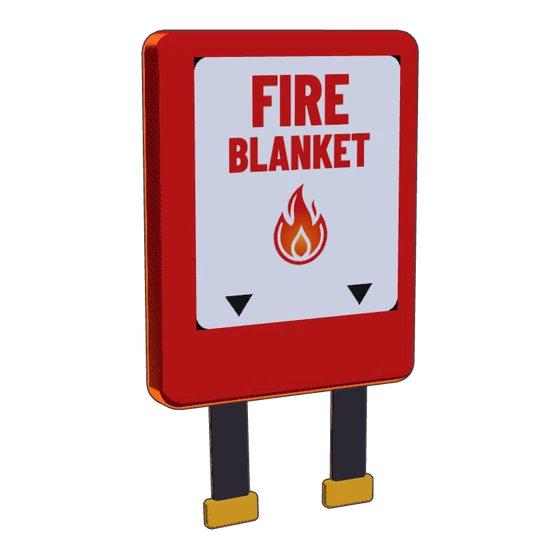
Most commercial kitchens have a fire blanket and at least one extinguisher. What your premises must have depends on the building, so ask the landlord or your fire contractor. Whatever is installed, a few things matter:
- The type suits what you cook with. Extinguishers are made for different kinds of fire, and the wrong one on burning oil can make things worse.
- It is mounted near the way out of the kitchen, not above or beside the cooktop where a fire would block it.
- Nothing is stacked in front of it or hung over it.
- It is serviced and the tag is up to date.
Some kitchens also have a fire suppression system built into the canopy. If yours does, it needs its own servicing by someone who works on that kind of system.
Exits and the back of house
The back door of a cafe tends to collect milk crates, deliveries, bins and the mop bucket. It is also a way out. Keep it clear on both sides, and make sure it opens easily from the inside whenever people are in the building.
Out the front, extra tables shouldn’t narrow the path to the door, and exit signs should be visible from where customers sit.
Staff who know what to do
Hospitality runs on casuals and new starters. A short walk-around on a first shift covers most of what they need:
- where the exits are
- where the fire blanket and the extinguisher are
- where the gas and power shut-offs are
- where everyone meets outside
- that nobody is expected to stay and fight a fire
The priority is always getting staff and customers out. In an emergency, call Triple Zero (000).
Fire and Rescue NSW publishes fire safety information for businesses, and SafeWork NSW has guidance on planning for emergencies at work.
For a look over the fire equipment in a cafe or restaurant kitchen between the Central Coast and Newcastle, V&H Fire Group can help. Ring Byron on 0483 371 134.
This article is general information, not advice for your building. For what applies to your premises, talk to us on site.