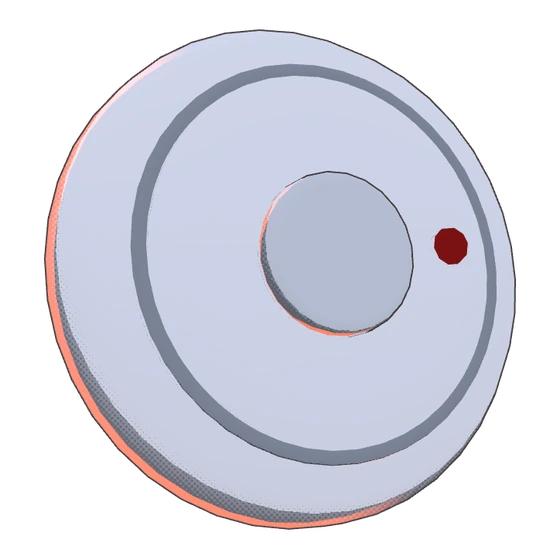
A smoke alarm has one job. It notices smoke before you do and makes enough noise to get you moving. That matters most at night, when everyone is asleep and a fire can take hold without anyone noticing.
An alarm can only do that job if it is working. One with a flat battery, a thick coat of dust or tape over the cover is just a plastic disc on the ceiling.
Know the rules for your home
The rules about smoke alarms differ depending on the kind of home and on whether you own it, rent it or lease it out. The rules change from time to time, and so do the recommendations on which type of alarm to fit and where to put them.
Fire and Rescue NSW is the place to go for both. Check there for the rules and recommendations that apply to your home, instead of relying on what a neighbour says or what is printed on an old packet.
Press the test button
Every smoke alarm has a test button. Press and hold it until the alarm sounds, then let go. If it doesn’t sound, or sounds weak, something is wrong.
Make testing a regular habit and tie it to something you already do, so it doesn’t get forgotten. The manufacturer’s instructions will tell you how often to test your model.
If the button is out of reach, use a broom handle instead of balancing on a chair.
Keep them clean
Dust, cobwebs and insects can get inside an alarm. That can stop it sensing smoke properly, or set it off when there is no smoke at all. A gentle going-over with the soft brush of a vacuum cleaner around the vents is usually enough. Check the instructions for your model, and don’t paint over an alarm.
Batteries and chirping
Some alarms run on a replaceable battery. Some are wired into the house power and have a backup battery. Some have a sealed battery that can’t be changed and is meant to last the life of the alarm.
A short chirp every so often usually means the battery is low or the alarm is reaching the end of its life. It is not something to put up with. Work out which alarm is chirping, check the instructions, and replace the battery or the whole alarm as needed.
Replace old alarms
Smoke alarms don’t last forever. The sensing parts inside wear out over time, even if the test button still makes a noise.
Most alarms have a date printed on them, often on the back or the side, showing when they were made or when they should be replaced. If yours is past its replace-by date, has no date you can find, or has gone yellow with age, it is time for a new one. Fire and Rescue NSW publishes how long an alarm should be kept before it is replaced.
If your alarms are wired into the house power, have an electrician replace them. If you rent, tell your landlord or agent in writing that an alarm is not working.
Don’t disable a nuisance alarm
An alarm that goes off every time you make toast is annoying, and the temptation is to pull the battery out or take the alarm down. That leaves you with no warning on the night you need it.
Fix the cause instead.
- Use the rangehood or open a window when you cook.
- Clean the alarm, as dust can make it touchy.
- Use the hush button, if it has one, to quieten it for a short time.
- If it keeps happening, ask about moving the alarm or changing to a type better suited to that spot.
Have a plan for when it sounds
An alarm buys you time. Use that time to get out. Make sure everyone in the house knows more than one way out and where to meet outside, and talk it through with children and older relatives.
If the alarm sounds and there is a fire, get out and stay out. In an emergency, call Triple Zero (000).
If you have a question about smoke alarms and don’t know where to start, V&H Fire Group can help from the Central Coast through to Newcastle. Call Byron on 0483 371 134.
This article is general information, not advice for your building. For what applies to your premises, talk to us on site.