Workshops and warehouses hold a lot of things that burn: cardboard, pallets, timber, plastics, oils, paints, solvents and fuel. They also have plenty of ways to start a fire, from grinders and welders to chargers and tired wiring. Keeping those two apart is most of the job.
This is a general guide. What your premises must have depends on the building and the work you do in it. SafeWork NSW is the authority on workplace safety, including hazardous chemicals and hot work.
Housekeeping
A tidy workplace gives a fire less to feed on and gives people a clear way out.
- Clear out cardboard, packaging and offcuts regularly.
- Clean sawdust, swarf and dust from machines, extraction units and the floor.
- Put oily rags in a closed metal bin, not in a heap in the corner.
- Keep pallets and skip bins away from the walls and doors of the building where you can.
- Keep the space around switchboards, heaters, compressors and chargers clear.
Storing flammables
Most workshops keep some flammable liquids and gases. In general terms:
- keep only what the job needs out on the floor, and the rest in storage made for it
- keep containers closed, labelled and in good condition
- store them away from anything that could set them off, such as grinding, welding, heaters and charging bays
- store them away from exits, so a fire there doesn’t block the way out
- keep gas cylinders upright, secured and away from heat
- clean up spills straight away
How much you can keep, and what kind of storage it needs, depends on the product. The safety data sheet for each one and the SafeWork NSW guidance are the places to look.
Clear access to equipment
An extinguisher or a hose reel is only useful if someone can walk straight up to it.
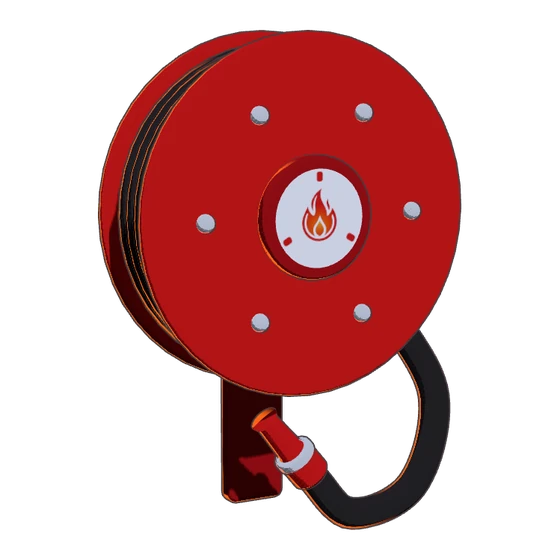
In a warehouse, access is the usual problem. Stock comes in, a pallet gets put down “just for now”, and before long the hose reel is behind a wall of cartons.
- Mark a keep-clear zone on the floor in front of hose reels, extinguishers and switchboards.
- Check that a hose reel can be run out along the aisles, not just reached.
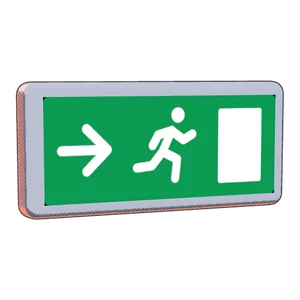
- Keep exit doors and the paths to them clear, inside and out.
- When the layout changes, check that the equipment still suits it.
Hot work
Welding, grinding, cutting and using a blowtorch throw sparks and heat further than people expect. They can also start a fire that smoulders unnoticed until after everyone has gone home.
General good practice:
- where you can, do hot work in a set area kept clear of anything that burns
- when the job has to happen somewhere else, move or cover combustibles first and check what is on the other side of the wall or floor
- have an extinguisher within reach before starting
- keep flammable liquids and gas cylinders well away
- have someone keep watch during the job and check the area again afterwards
- when outside contractors do hot work on your premises, agree on the precautions before they start
Many workplaces run a simple permit system for hot work.
People
Make sure everyone knows the exits, the meeting point and where the equipment is. That includes casuals, labour hire and the delivery drivers who are in and out every week.
Nobody is expected to fight a fire. If the fire is not small, or you do not have a clear way out behind you, leave. In an emergency, call Triple Zero (000).
V&H Fire Group can check that the hose reels, extinguishers and exit lighting in a workshop or warehouse between the Central Coast and Newcastle are in the right place and in working order. Have a chat with Byron on 0483 371 134.
This article is general information, not advice for your building. For what applies to your premises, talk to us on site.